Bänder beschriften, millimetergenau.
Ein Werkzeug für Einleger, Rückenschilder und Cover, für Kompaktkassette, MiniDisc, DAT und Tonband. Läuft im Browser, druckt auf A4 und auf Etikettendrucker.
- DATUM
- 21.08.2026
- BAND
- C-90
- DECK
- Nakamichi 582
- 01Sparks - The Number One Song In Heaven7:27
- 02The Human League - Being Boiled3:51
- 03Anne Clark - Sleeper In Metropolis4:06
WAS ES TUT
Vier Formate, maßhaltig
Vorlagen für Kompaktkassette, MiniDisc, DAT und Tonband. Eigene Hüllen lassen sich nachmessen und eintragen, statt sich an ein Standardmaß zu halten, das nicht passt.
Titel kommen von selbst
Album über MusicBrainz suchen, Covermotiv übernehmen, Playlists von Apple Music einlesen. Titelliste per Griff umsortieren.
Bandzeit-Uhr
Rechnet mit, was noch auf die Seite passt, und schlägt eine Aufteilung auf A und B vor, bei der beide Seiten aufgehen, nicht nur die erste.
QR-Code zur Playlist
Auf Wunsch trägt die Karte einen QR-Code, der zur Playlist führt. Selbst erzeugt, ohne fremde Bibliothek, und niemand zählt mit, wer ihn scannt.
Der Dirigent
Auf Anforderung schaut eine KI ins Regal: Vorschläge für das nächste Band, blinde Flecken in der Sammlung, ein Blick auf die Dramaturgie der Titelliste, Hintergrundtexte für die Hülle. Abschaltbar, mit Tageskontingent, und die Texte bleiben Vorschläge.
Regal, Guide, Prüfstand
Jedes fertige Band bleibt im Regal. Dazu ein Nachschlagewerk mit 211 Geräten, 64 Kassetten und 21 Tonbändern, und ein Messplatz für das eigene Deck.
- Kompaktkassette
- MiniDisc
- DAT
- Tonband
- A4
- Brother QL-700
3D-VORSCHAU
Ziehen zum Drehen
- DATUM
- 21.08.2026
- BAND
- C-90
- DECK
- Nakamichi 582
- 01Sparks - The Number One Song In Heaven7:27
- 02The Human League - Being Boiled3:51
- 03Anne Clark - Sleeper In Metropolis4:06
Ein Doppeltipp stellt sie wieder gerade. Im Programm kommt das Zoomen dazu, bevor gedruckt wird.
EIN FUNKTIONSUMFANG, DREI ZAHLWEISEN
- alle Funktionen, ohne Ausnahme
- Cloud-Regal ohne Platzgrenze
- KI-Abfragen: 5 am Tag
- jederzeit kündbar
- alle Funktionen, ohne Ausnahme
- Cloud-Regal ohne Platzgrenze
- KI-Abfragen: 30 am Tag
- rund zwei Monate günstiger
- dieselben Funktionen wie oben
- KI-Abfragen: 50 am Tag
- für alle, die das Projekt tragen möchten
- auf Wunsch namentlich genannt
Jeder Weg schaltet dasselbe frei. Abwicklung und Kündigung laufen über Polar; das gesetzliche Widerrufsrecht bleibt unberührt.
WER DAS BAUT
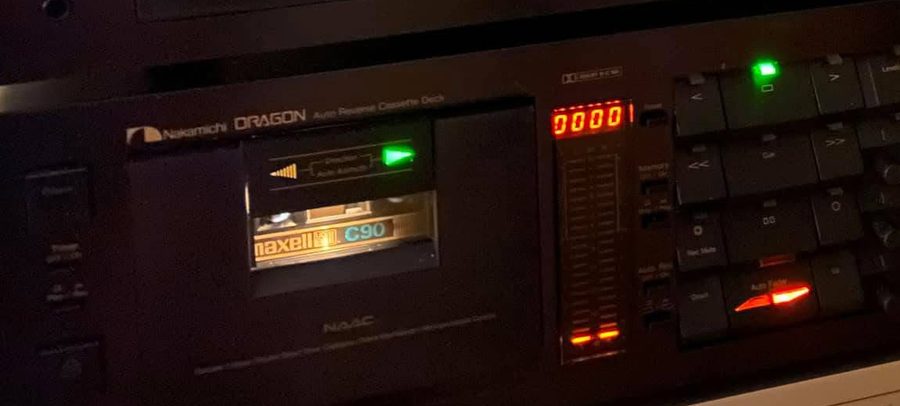
Das hier ist kein Startup. Ich nehme selbst auf, meistens abends neben dem laufenden Deck, und die Karte entsteht dabei am Telefon. Deshalb muss sie auch dort zu bedienen sein und nicht nur am Schreibtisch.
Alles, was die App kann, kann sie, weil ich es beim Aufnehmen gebraucht habe. Was fehlt, lässt sich aus der App heraus melden; ich lese jede Rückmeldung selbst.